What Happens If You Cause an Accident in Kenya? Understanding Third-Party Liability Cover
Worried about being sued after causing an accident? Learn exactly how third-party liability insurance protects you when you hit another vehicle or pedestrian in Kenya, what it covers, and what it doesn't — explained in plain language by your independent insurance advisors.
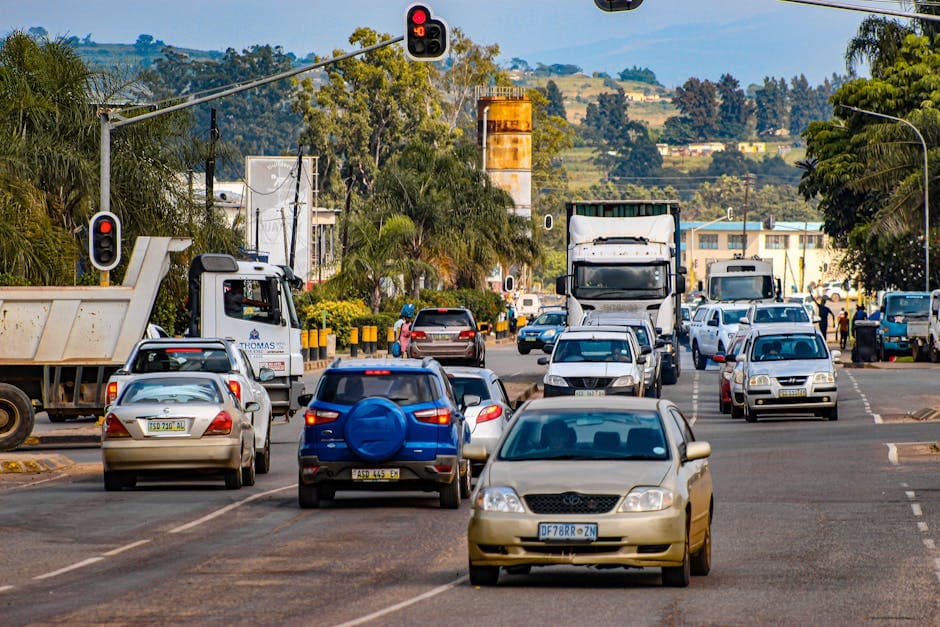
Picture this: You're driving along Mombasa Road during evening rush hour when traffic suddenly brakes. You hit the brakes too, but not fast enough — you rear-end the car in front of you. The other driver gets out, visibly shaken, and you notice their bumper is badly damaged. Your heart sinks as you realise the repair bill could run into hundreds of thousands of shillings. Worse still, what if they decide to sue you for injuries or lost income?
If you've ever worried about what happens when you cause an accident, you're not alone. Many Kenyan motorists lose sleep over the financial consequences of being at fault in a collision. The good news? This is exactly what third-party liability insurance is designed to protect you from. But understanding how it actually works — and what it does and doesn't cover — can feel like navigating a maze.
Let's break it down in plain language.
What Is Third-Party Liability Insurance?
In insurance terms, "third party" simply means the other person — not you (the first party) or your insurer (the second party). So third-party liability insurance protects you financially when you're legally responsible for causing injury or damage to someone else.
In Kenya, having at least basic third-party cover is a legal requirement under the Insurance (Motor Vehicles Third Party Risks) Act. You cannot legally drive on Kenyan roads without it. This minimum cover protects other people if you cause an accident — but here's the crucial part many drivers don't fully understand: it doesn't protect you or your own vehicle.
What Does Third-Party Liability Actually Cover?
When you cause an accident, your third-party liability cover steps in to pay for:
Injuries to other people: If you hit a pedestrian crossing at the Ngong Road roundabout, or if passengers in the other vehicle are injured, your insurance covers their medical bills, hospital stays, rehabilitation costs, and even compensation for pain and suffering or permanent disability.
Damage to other people's property: This includes repairs to the other vehicle, damage to roadside structures (like that kiosk you accidentally knocked into), or even someone's fence if you veer off the road.
Legal costs and compensation: If the injured party takes you to court and wins, your insurer handles the legal defence costs and pays any court-ordered compensation — up to your policy limit.
This protection is absolutely vital. Medical bills and vehicle repairs can easily run into millions of shillings, especially if multiple people are injured or if you damage an expensive vehicle. Without insurance, you'd be personally liable for every shilling — a debt that could follow you for years.
What Third-Party Liability Does NOT Cover
Here's where many Kenyan drivers get caught out:
Your own vehicle: If your car is damaged in the accident you caused, third-party cover won't pay a cent towards fixing it. You're on your own for those repairs.
Your own injuries: Any medical treatment you need after the accident comes out of your own pocket — your third-party policy only covers the other party's injuries.
Theft or fire: Basic third-party cover doesn't protect you if your car is stolen or catches fire. You'd need additional cover for that.
This is why understanding exactly what your policy includes is so important. Different providers offer varying levels of cover, and the differences can be significant when you're dealing with the aftermath of an accident.
Understanding Policy Limits and Excesses
Every third-party policy comes with limits — the maximum amount your insurer will pay out. In Kenya, the statutory minimum for injury to any one person is currently Ksh 3 million, but serious accidents can result in claims that exceed this.
Some insurers offer unlimited third-party liability cover, while others cap it at specific amounts. There's also usually an "excess" — an amount you pay out of pocket before the insurance kicks in. These details vary significantly across the market, which is why comparing policies is essential.
This is where working with an independent broker like Vike Insurance makes a real difference. We compare policies across the market to ensure you understand exactly what you're getting and that your cover limits are adequate for your situation. We're not tied to any single insurer, so our advice is based purely on what's best for you.
What to Do Immediately After Causing an Accident
If you find yourself at fault in an accident, here's what you should do:
- Stop immediately — leaving the scene is a criminal offence
- Check for injuries and call an ambulance if needed (dial 999 or your insurer's emergency line)
- Call the police — you'll need a police abstract for your insurance claim
- Exchange details with the other party: names, phone numbers, vehicle registration, and insurance details
- Take photos of the damage to all vehicles and the accident scene
- Notify your insurer as soon as possible — most policies require you to report accidents within 24 hours
- Don't admit fault at the scene or sign anything you don't understand
Your insurer will then investigate the claim, and if you're found liable, they'll handle negotiations and payments to the third party.
Beyond the Minimum: Should You Consider More Cover?
While third-party cover meets the legal minimum, many Kenyan drivers choose to add third-party fire and theft cover, or upgrade to comprehensive insurance. These options protect your own vehicle as well as covering your liability to others.
The right choice depends on your vehicle's value, how you use it, and your financial situation. A matatu owner's needs are very different from someone driving a personal car worth Ksh 500,000 versus one worth Ksh 5 million.
Navigating these options across dozens of insurance providers can be overwhelming. That's exactly why Vike Insurance exists — we compare the whole market on your behalf, explain the differences in plain language, and help you make an informed decision. We're on your side, not the insurer's.
The Bottom Line
Third-party liability insurance is your financial safety net when you cause an accident. It protects you from potentially devastating legal and compensation costs — but only for damage and injuries to others, not to yourself or your vehicle.
Understanding exactly what your policy covers, what the limits are, and whether you need additional protection is crucial. With so many providers offering different terms, excesses, and limits, making the right choice requires expert guidance and market comparison.
Ready to make sure you have the right cover for your needs? Get in touch with the team at Vike Insurance for a free, no-obligation quote. We'll compare policies across the market, explain your options in plain language, and help you find cover that truly protects you — at the best price. Because when it comes to insurance, you deserve an advisor who's working for you, not the insurance company.
Call us, WhatsApp, or visit our website today. Let's get you properly covered.
Share this article
Get a free motor insurance quote in 2 minutes
Compare quotes from Kenya’s top underwriters and find the best cover for your vehicle.
Start Free Quote →Related Content
 motor insurance
What Does Comprehensive Motor Insurance Actually Cover in Kenya?
Read → motor insurance
How Third-Party Liability Works If You Cause an Accident in Kenya
Read → motor insurance