Third-Party vs Comprehensive Car Insurance in Kenya: Which One Should You Choose?
Wondering whether to stick with third-party cover or upgrade to comprehensive insurance for your car? We break down the key differences, costs, and benefits of each option to help you make the right choice for your budget and peace of mind.
You've just bought your first car — maybe a reliable Toyota Fielder or a trusty Nissan Note — and now you're facing a crucial decision: should you go for the bare minimum third-party insurance that the law requires, or should you invest in comprehensive cover?
It's a question thousands of Kenyan motorists ask themselves every year, especially when budgets are tight and every shilling counts. The difference in price between the two options can be significant, but so can the difference in protection. Let's break down what each type of cover actually means, what you're paying for, and how to decide which one makes sense for your situation.
What Is Third-Party Insurance?
Third-party insurance is the legal minimum cover required by Kenyan law before you can drive on our roads. The name tells you exactly what it does: it covers the other party (the third party) if you cause an accident.
Here's what third-party cover pays for:
Damage or injury you cause to others: If you're involved in an accident and it's your fault, third-party insurance will cover the cost of repairs to the other person's vehicle, medical expenses if they're injured, and even legal costs if they take you to court.
What it does NOT cover: Here's the catch — third-party insurance doesn't cover your own car. If your vehicle is damaged in an accident you caused, you'll pay for those repairs out of your own pocket. It also won't cover you if your car is stolen, vandalized, or damaged by fire or natural events.
Think of third-party cover as protection for everyone else on the road, but not for you and your vehicle.
What Is Comprehensive Insurance?
Comprehensive insurance, as the name suggests, offers much broader protection. It covers everything that third-party insurance does, plus it protects your own vehicle against a wide range of risks.
Here's what comprehensive cover typically includes:
Everything third-party covers: Damage and injury to other people and their property if you cause an accident.
Damage to your own car: Whether you caused the accident or someone else did, your insurer will pay to repair or replace your vehicle (minus any excess amount you agreed to pay).
Theft: If your car is stolen, comprehensive cover will compensate you for its value.
Fire and natural events: Damage from fire, floods, falling trees, or other events beyond your control.
Vandalism and malicious damage: If someone deliberately damages your car, you're covered.
Different providers offer varying levels of cover and additional benefits — some include windscreen replacement, towing services, or even a courtesy car while yours is being repaired. This is where working with an independent broker like Vike Insurance makes a real difference: we compare policies across the market so you get the right cover at the best price, with all the benefits that matter to you.
The Cost Difference: What Are You Actually Paying For?
Let's talk numbers. Third-party insurance is significantly cheaper — you might pay anywhere from Ksh 5,000 to Ksh 15,000 per year depending on your vehicle's engine size and your driving history.
Comprehensive cover, on the other hand, typically costs between 3% to 5% of your car's value annually. For a car worth Ksh 800,000, that could mean paying Ksh 24,000 to Ksh 40,000 per year.
That's a substantial difference, which is why many Kenyan motorists stick with third-party cover. But before you make that decision based on price alone, consider what you're actually paying for: peace of mind and financial protection.
So Which One Should You Choose?
The right choice depends on your specific situation. Here are some key questions to ask yourself:
How much is your car worth?
If you're driving a newer car or one that's worth a significant amount — say, Ksh 500,000 or more — comprehensive cover usually makes sense. Could you afford to replace that car out of pocket if it was stolen or written off in an accident? If the answer is no, comprehensive insurance is worth the investment.
On the other hand, if your car is older and worth less than Ksh 200,000, the cost of comprehensive cover might not be justified. You could be paying a large percentage of the car's value each year just for insurance.
What's your financial safety net?
Do you have savings set aside that could cover major repairs or replacement if something happened to your car? If yes, third-party might work for you. If your budget is already stretched and an unexpected Ksh 100,000 repair bill would be devastating, comprehensive cover offers crucial protection.
Where do you drive and park?
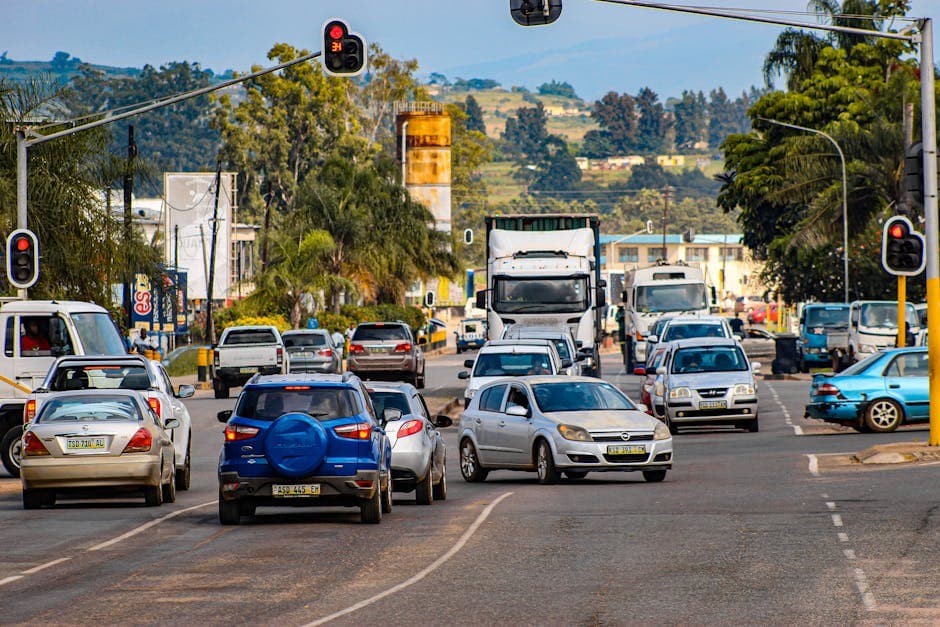
If you regularly drive in high-traffic areas like Nairobi CBD, along busy highways, or park in areas with higher crime rates, your risk of accidents, theft, or damage increases. Comprehensive cover makes more sense in these situations.
Is your car financed?
If you bought your car on loan or through a hire purchase agreement, most financiers will require you to have comprehensive insurance until the loan is fully paid. This protects their investment as much as yours.
The Middle Ground: Third-Party Fire and Theft
Some insurers offer a middle option called third-party fire and theft. This covers other people (like basic third-party), plus it protects your car against fire and theft — but not accident damage to your own vehicle. It's slightly more expensive than basic third-party but much cheaper than comprehensive. It can be a good compromise if theft is your main concern but you're willing to risk accident damage.
Why Working With a Broker Makes This Decision Easier
Choosing between third-party and comprehensive isn't just about picking a type of cover — it's about finding the right policy at the right price from the right provider. The Kenyan insurance market has dozens of providers, each with different pricing, different benefits, and different claims experiences.
As an independent broker, Vike Insurance isn't tied to any single insurer. We work for you, not them. We compare policies across the entire market, explain the fine print in plain language, and help you understand exactly what you're getting for your money. Whether you decide third-party makes sense for your situation or comprehensive is worth the investment, we'll make sure you're getting the best possible deal.
Ready to Make the Right Choice?
There's no one-size-fits-all answer to the third-party versus comprehensive question. The right choice depends on your car's value, your financial situation, and your personal risk tolerance. What matters most is making an informed decision based on clear information and expert guidance.
Ready to find the right cover for your needs? Get in touch with the team at Vike Insurance for a free, no-obligation quote. We'll compare the market, explain your options clearly, and help you find the cover that works best for you and your budget. Call us, WhatsApp, or visit our website — we're here to make insurance simple.
Share this article
Get a free motor insurance quote in 2 minutes
Compare quotes from Kenya’s top underwriters and find the best cover for your vehicle.
Start Free Quote →Related Content
 motor insurance
What Does Comprehensive Motor Insurance Actually Cover in Kenya?
Read → motor insurance
How Third-Party Liability Works If You Cause an Accident in Kenya
Read → motor insurance