Personal Accident Insurance vs Health Insurance: What's the Difference and Do You Need Both?
Think your medical cover has you sorted for everything? Personal accident insurance covers critical gaps that health insurance doesn't—like permanent disability, loss of income, and accidental death benefits. Learn how these two types of cover work together to protect you and your family.
You've got medical insurance sorted. Hospital bills? Covered. Doctor visits? No problem. Surgery? You're protected. So when someone mentions personal accident insurance, your first thought is probably, "Why would I need that? I already have health cover."
Here's the thing: if you're in a matatu accident on Thika Road tomorrow and lose your ability to work permanently, your health insurance will pay for your hospital treatment—but what happens to your income? Who pays your rent next month? What about school fees? Your medical cover won't help with any of that.
This is the critical gap that catches many Kenyans by surprise. Let's break down exactly what personal accident insurance is, how it differs from health insurance, and why you might need both.
What Is Personal Accident Insurance?
Personal accident insurance is a type of cover that pays out cash benefits if you're injured or killed in an accident. Notice the key word: accident. This cover specifically protects you against sudden, unexpected events—a car crash, a fall at a construction site, a bodily injury during a robbery, or even something as simple as slipping on a wet floor at the supermarket.
The policy pays out lump-sum amounts (a one-time cash payment) or regular income based on what happens to you:
- Accidental death: Your beneficiaries receive a lump sum if you die in an accident
- Permanent total disability: You receive a lump sum if an accident leaves you unable to work ever again (for example, losing both legs or your eyesight)
- Permanent partial disability: You get a percentage of the sum insured based on the severity (like losing one hand or an eye)
- Temporary total disability: Some policies pay weekly or monthly income if you can't work temporarily while recovering
- Medical expenses: Some personal accident policies include a small amount for accident-related treatment, though this is usually secondary to your main health cover
Think of it as financial protection for the life-changing consequences of an accident—not just the medical bills.
How Health Insurance Is Different
Your health insurance (also called medical cover) does something completely different. It pays for your healthcare costs when you're sick or injured—whether from an accident, illness, or disease.
Health insurance typically covers:
- Inpatient treatment (when you're admitted to hospital)
- Outpatient visits (consultations, lab tests, scans)
- Surgical procedures
- Maternity care
- Prescription medication
- Sometimes dental and optical care
The key difference? Health insurance reimburses medical expenses. It pays the hospital or clinic for your treatment. It doesn't give you cash in hand to replace your lost income, pay your bills, or support your family if you can't work.
A Real-World Example
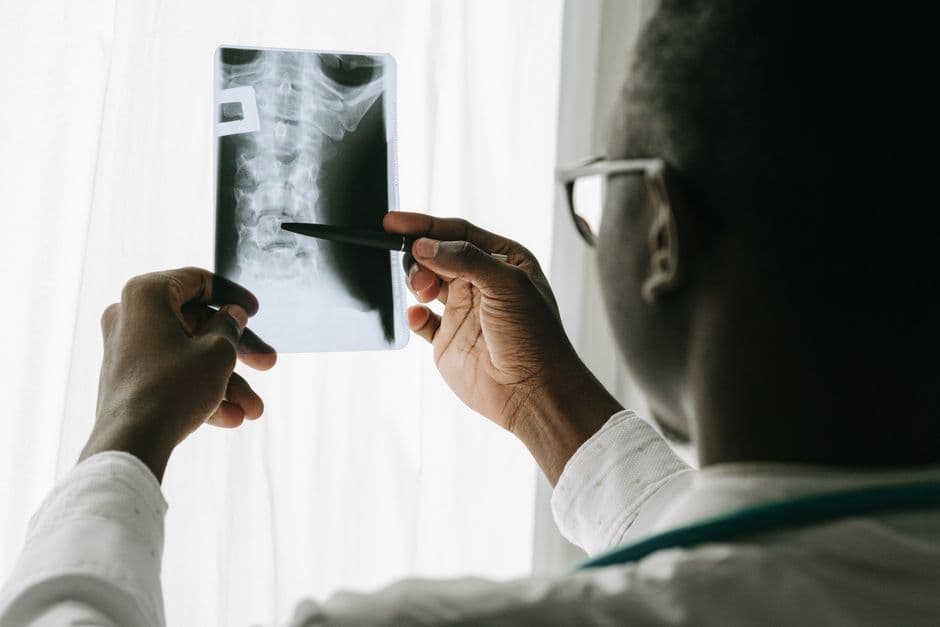
Let's say James, a 35-year-old accountant in Nairobi, is involved in a serious boda boda accident on his way to work. He suffers multiple fractures and a spinal injury that requires surgery and three months of intensive rehabilitation.
What his health insurance does:
- Covers his hospital admission and surgery (up to his policy limit)
- Pays for his medication and physiotherapy sessions
- Handles his follow-up consultations with specialists
What his health insurance doesn't do:
- Replace his salary for the three months he can't work
- Pay for the modifications his house needs if he's now using a wheelchair
- Cover the extra costs of hiring someone to help with daily tasks
- Provide a lump sum if the injury leaves him permanently disabled
What personal accident insurance would do:
- Pay him a weekly or monthly benefit while he's unable to work (temporary total disability)
- If the spinal injury leaves him permanently unable to continue his career, pay out a substantial lump sum (permanent total disability)—often Ksh 1 million, 2 million, or more depending on his cover
- Give his family immediate cash to handle bills and life expenses during his recovery
See the difference? Health insurance fixes your body. Personal accident insurance protects your income and financial security.
Why You Might Need Both
Most Kenyans prioritise health insurance—and rightly so. Medical bills can be devastating. But personal accident cover is often overlooked, even though accidents are a leading cause of disability and death in Kenya, especially on our roads.
Consider getting personal accident insurance if:
- You're the main breadwinner for your family
- You don't have substantial savings to fall back on if you couldn't work for months
- Your job involves physical risk (driving, construction, security, etc.)
- You commute daily on Kenyan roads (let's be honest—that's risky enough)
- You're self-employed and have no employer benefits or sick pay
The good news? Personal accident insurance is typically very affordable—often costing just a few thousand shillings per year for meaningful cover. Different providers in the market offer varying benefit levels and premium rates, which is exactly why comparison matters.
How to Choose the Right Personal Accident Cover
When comparing personal accident policies, look at:
- Sum insured: How much will the policy pay out for death or permanent total disability? Make sure it's enough to support your family for several years.
- Disability definitions: How does the policy define "permanent disability"? Some are more comprehensive than others.
- Temporary disability benefits: Does it include weekly or monthly payments if you can't work temporarily?
- Geographical coverage: Are you covered only in Kenya, or worldwide?
- Exclusions: What accidents aren't covered? (Common exclusions include injuries while under the influence of alcohol, or participating in extreme sports)
This is where working with an independent broker like Vike Insurance makes a real difference. We're not tied to any single insurer, so we can compare policies across the entire market on your behalf. We look at what different providers offer, explain the fine print in plain language, and help you find cover that actually fits your life and budget—not just the cheapest premium or the fanciest brochure.
The Bottom Line
Health insurance and personal accident insurance aren't competitors—they're teammates. Your medical cover takes care of your treatment and recovery. Your personal accident cover takes care of your income, your family's security, and your financial future if an accident changes your life.
You wouldn't drive with only one headlight working. Why protect only half your financial wellbeing?
Ready to Close the Gap in Your Cover?
If you've been relying on health insurance alone, it's time to explore whether personal accident cover makes sense for you and your family. Get in touch with the team at Vike Insurance for a free, no-obligation consultation. We'll compare policies across the market, explain your options in plain language, and help you find the right protection at the best price—because we're on your side, not the insurer's.
Call us, WhatsApp, or visit our website today. Let's make sure you're truly covered for whatever life throws your way.
Share this article
Get a free health insurance quote in 2 minutes
Compare inpatient and outpatient plans from Kenya’s leading medical underwriters.
Start Free Quote →Related Content
 health insurance
How to Use Your Health Insurance Card at a Hospital in Kenya: A Step-by-Step Guide
Read → health insurance
What Are Waiting Periods in Health Insurance and How Do They Affect You?
Read → health insurance